Mourn Your Losses
M. Abduh
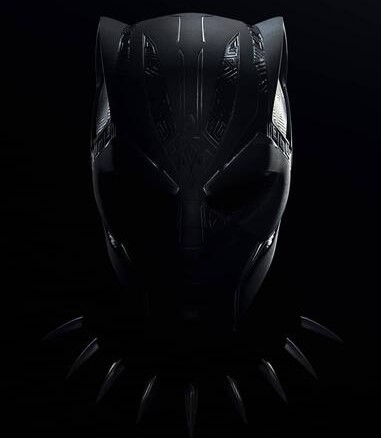
I found Black Panther: Wakanda Forever woeful. First, for a film about the great depths, the writing is shallow, starting with King Ta’challa’s mysterious death, which unfolds in a disjointed, melodramatic mess of an opening scene and ending with an ill-conceived mid-credit reveal of a child almost no one in Wakanda has heard about, including his aunt Shuri.
I found the plot troublesome: two powerful nations of color (the only two on earth possessing vibranium) are pitted against one another while several Western states plot to destabilize them and send armed mercenaries to steal their precious resource, yet get little more than a tongue lashing on the floor of the UN. The fighting, destroying, impaling, & dying are reserved for the two darker tribes. Furthermore, Killmonger, live from the ancestral plane, is depicted as Shuri’s Black shoulder devil, while the CIA “colonizers” are the film’s comic relief.
Many critics have heaped praise on the film, perhaps out of a sense of patriotism to Wakanda, out of a sentimental attachment to the royal family. Some of these critics seem content to celebrate Black & brown faces on the silver screen, unable to point to little beyond symbolism and tokenism. That, & beautiful headdresses.
Feet up in the theater’s semidarkness, my own shoulder devil whispered, It’s only entertainment. It’s a Disney film. It’s not meant to be political. Only it does attempt to make political statements about war, about hegemony, about the proliferation of weapons of mass destruction. Then I remembered Toni Morrison’s statement that “all good art is political. There is none that isn’t.” Well, this film isn’t…good politics or good art.
Admittedly, the two-hour and forty-one-minute movie has its moments, particularly when a young Namor righteously kills a party of enslavers or when he drowns Queen Ramonda and tells Shuri, “Bury your dead. Mourn your losses. You are queen now.” A Shakespearean act of regicide. But these moments are few and far between, & certainly not enough to raise this wreckage to the surface world.
As the lights went up and the credits rolled, there was a smattering of applause. A man two rows in front of me was wiping his eyes with his shirt sleeve. While some folks waited in vain for a post-credit scene, I walked out of the theater and into the lobby. Finally, a voice of reason. I overheard an older woman on her phone telling someone how the movie was “way too long” & “all over the place.”
“I’m sorry,” she said. “I would never tell someone to go see that movie. Never.” That, I thought, would have been a much better title for what I just saw: Wakanda For(n)ever.

 The Echo Tree