Don’t Be Like Cy
By M. Abduh
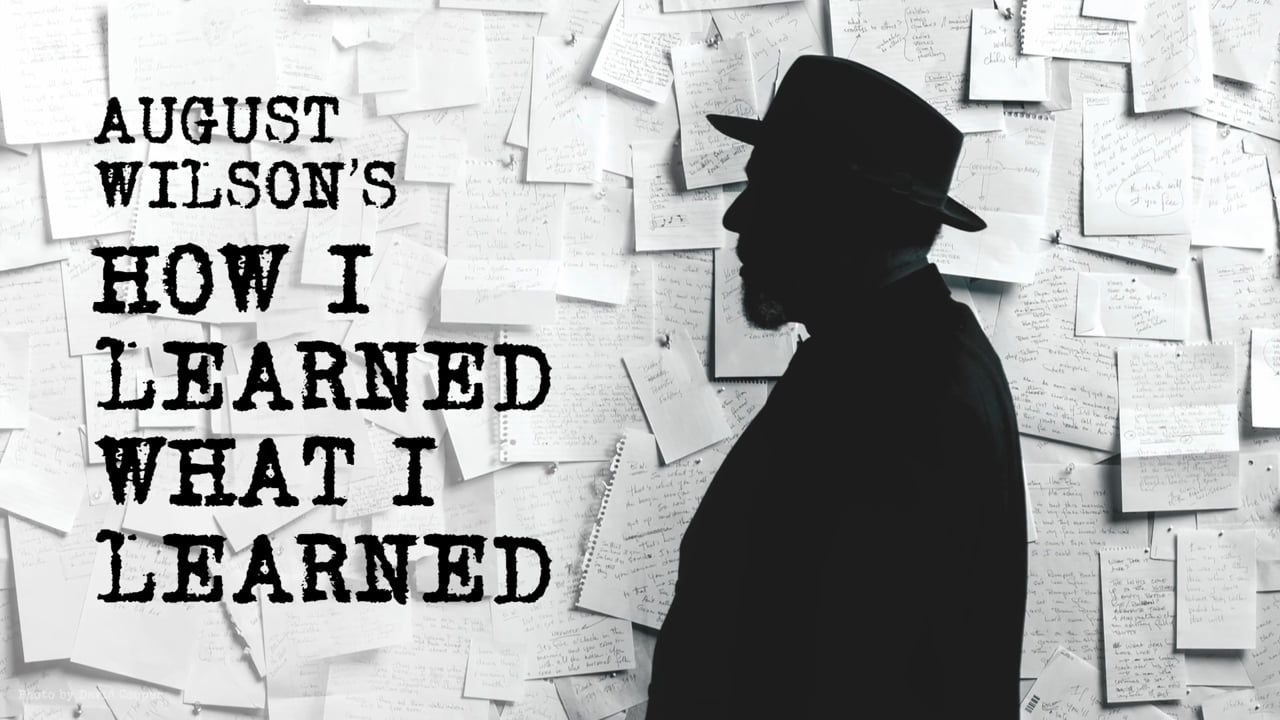
Over winter break, I decided to read all the plays in August Wilson’s Century Cycle. But between finishing Ma Rainey’s Black Bottom and starting Joe Turner’s Come and Gone, I came across the playwright’s one man show, How I Learned What I Learned. (As a longtime admirer of his work, I was embarrassed to know nothing of the play.) It was co-conceived by Wilson’s longtime assistant Todd Kreidler, who said that it is the closest thing to a memoir the playwright left— something of an origin story.
The play, which Wilson originally performed on stage before he took ill, transports us from Spear, North Carolina in the 1930’s to Pittsburgh’s Hill District in the 1960’s. Always the master dramatist and storyteller, Wilson connects several incidents (and accidents) from his childhood and young adulthood to relate the experiences of an unforgettable life. He falls in love. He witnesses a man killed. He is jailed for taking a lawyer’s advice. He stares down the barrels of a shotgun while on a date with a woman named Snookie. The play has irony, humor, and plenty of wisdom. One of the great wisdoms of the play is “don’t be like Cy.” One night, Cy Morocco, a wannabe musician, invited Wilson to hear him play at the Aurora club: “Hey, August man, you going to come down and hear me play?” Wilson agreed, but was surprised to find out that Cy played the sax. He was even more surprised when he arrived at the club and heard Cy playing—or, as Wilson puts it, heard him “making a lot of noise.” It turned out Cy didn’t play the sax after all. From this, Wilson learned an important life lesson: “August,” he said to himself, “you want to be a writer, right? Learn how to do it. Don’t be like Cy.”
Unfortunately, I was unable to unearth a recording of Wilson’s performance. I would love to have seen him on the stage with nothing but a desk, a stool, a coat rack, a copy of Webster’s Third New International Dictionary—and his words. And while this play is not as well-known as Fences or Seven Guitars or The Piano Lesson, it is equally important. It is a glimpse into the people and places that inspired his characters, dialogue, settings. It is the portrait of an artist as a young man and the crucible in which his body of work was forged.

 The Echo Tree