Swing Wide the Gates
By M. Abduh
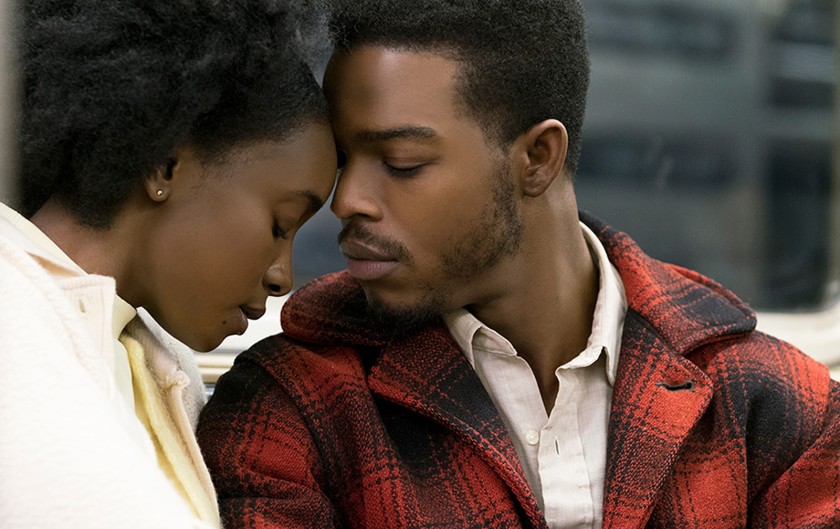
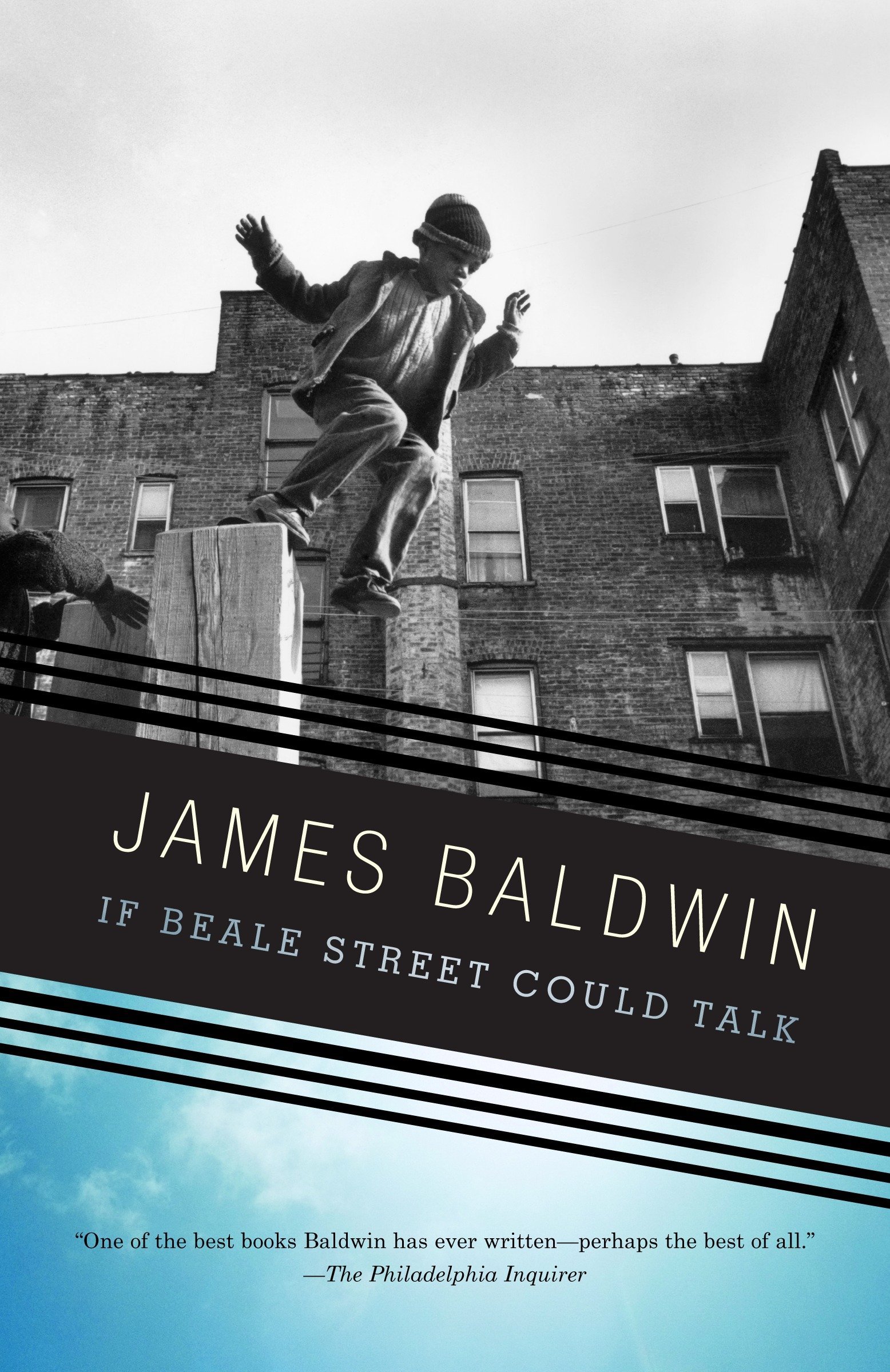
In his seminal essay, The Fire Next Time, James Baldwin clarifies the force of love: “[I]f love will not swing wide the gates, no other power will or can.” The love Baldwin describes should not be confused with shallow sentimentality, emotional bosh, or an “infantile American sense of being made happy.” For none of these have ever even cracked open the gates. The love he describes is the same one that saw a people across oceans, saw them through whips and shackles, through nooses and hoses, through guns and cages. It is the love Baldwin puts in the mouth of Sharon Rivers in If Beale Street Could Talk: “Love brought you here,” she tells her frightened daughter. “If you trusted love this far, don’t panic now.” Though I am not sure many people trust it much anymore. (There is so much not to trust.) But somehow filmmaker Barry Jenkins remained faithful, and it brought him back to Beale Street, where, as Baldwin said, “every black person in America was born.”
“I hope nobody has ever had to look at anybody they love through glass.”
I cannot remember sitting in a theater and finding myself smiling at the screen. Perhaps it was the brilliant cinematography: the trailing overhead shot at the beginning of the film or the swirling smoke in one sculpture scene. Perhaps it was the lush colors: the yellow capes and coats, the red and black plaid lumber jackets, the green drapes. Or perhaps (more than likely) it was the way Tish and Fonny look at each other, on the train, at the restaurant, through two inches of glass, even as the cops, the judges, the laws—the lies—engulf them. And when Tish tells us, “I hope nobody has ever had to look at anybody they love through glass,” we learn the cost of that love and that look.
The beauty of the film is that it does not deal with love in the abstract. Love is Tish putting herself between Fonny and Officer Bell; it’s Sharon flying to Puerto Rico to find Fonny’s accuser, Victoria Rogers; it’s the young couple’s fathers, Frank and Joseph, hustling swag out of the back of a van to “save our children.” The kind of sacrifices families have had to make since the first ship landed at Port Comfort in 1619. This is why the film, like the novel, triumphs. Through Tish and Fonny and Sharon and Ernestine and Joseph and Frank, Baldwin swung wide the gates, and some forty-five years later, Jenkins walked right on through.
“Love is the most important subject in the history of humanity.”
Novelist Gabriel Garcia Marquez once stated that “love is the most important subject in the history of humanity,” more important even than death. I am certain he meant love in all its types: eros, philia, storge, ludus, mania, pragma, philautia, agape. And without doubt, love is the most important subject in Beale Street. (Several songs in the soundtrack are aptly titled “Eros,” “Agape,” “Storge,” and “Philia.”) As the final scene fades to black, the words “For Jimmy” appear on the screen, and I smile again. This is a love letter, I say to myself. I could not help but imagine Jenkins finishing the novel for the first time, turning to the last page, and seeing the words “For Barry.” He must have found the novel a love letter, too.

 The Echo Tree